



Tag Archives: carbohydrates

Carb Lovers Diet on the Rachael Ray Show

Update: This episode will air again on Tuesday, May 31 2026.

Tune in this Thursday, January 20 to the Rachael Ray Show to learn how the Carb Lover’s Diet can help you lose 40 pounds.

Prepare to be shocked as the creators of The Carb Lovers Diet share their strategy that includes eating pasta, bread and even dessert while following this healthy living and practical weight loss plan. Developed by the health experts of Health magazine, the Carb Lover’s Diet is a plan that makes High Resistant Starch carbs the cornerstone of the weight loss plan. They are your secret to losing weight without hunger or cravings. Resistant starch is a miracle ingredient found only in carbs like whole-grain pasta, sweet potatoes, legumes, bananas and more. (more…)

Delicious Atkins-Friendly Lunch Ideas

The Atkins Diet is a popular, yet controversial, diet that helps users shed pounds while eating all of the protein they want. What’s the catch? The Atkins diet requires users to eat a low-carb diet, which is not known for long-term effectiveness. However, if your New Years Resolution is to lose weight with the Atkins diet, then you’re going to want to check out all of the Atkins recipes DietsinReview has to offer. You can also take some of the stress of meal-planning out of the way by trying two of our yummy Atkins lunches!

Lunch #1

This lunch is quite tasty and everything can be made the night before to take to work with you. Start by sipping on a frothy Italian Cream Soda (1.4g carbs). Your main entree will be Spinach with Chicken and Apricots (3.7g carbs), which combines the sweetness of fruit with the zing of balsamic vinegar for a taste explosion. For dessert, get to know the tempting step-sister of your traditional brownies, a low-carb version of Blondies (2.3g carbs). This lunch will have a total of 7.4g carbs. If you are allowed 30g carbs every day, this means you will save 2.6g carbs from your lunch meal to use at snack time or dinner time.

(more…)

The More Protein The Better is a Common Nutrition Myth

Protein is essential for normal body functioning and crucial to help build and repair muscle tissue after strenuous workout sessions. Protein is defined as organic compounds made of amino acids that are arranged in a linear chain, typically found in meat, fish, nuts, eggs, dairy products, legumes, and protein supplements. They are considered to be the building blocks for your muscles and immune system. Protein can also be used as a form of fuel to provide the body with energy if you are not getting enough fat or carbohydrates, which are the primary energy sources.

The recommended daily value (DV) of protein based on a 2,000 calorie diet is 50 grams. For those who exercise frequently, it is recommended to get .8 to 1.2 grams of protein per kilogram of body weight. For instance, a 200 pound (90.9 kilogram) male is recommended to intake 72 to 108 grams of protein per day. If you don’t get enough protein in your diet, your immune system may become weakened, you can lose muscle mass, experience growth failure, and even weaken the heart and respiratory system. So, please make sure you are getting enough protein in your daily diet.

(more…)

Avoid Digestional Cramping During Exercise

Endurance athletes, especially runners, are no strangers to digestional cramping: that feeling during a good run or cardio session that has you sprinting towards the bathroom instead of the finish line.

Cramping and discomfort are extremely common among athletes and runners and have been known to hinder, slow, and some times even prevent performance. Unfortunately, there is no exact known cause for this discomfort. Several researches believe that the cause of the pain is the continuous shaking and jostling of the internal organs during an extended workout, often make worse by when and what is consumed as a pre-exercise meal or snack.

A recent study reported that drinking fruit drinks or drinks high in sugar, eating dairy, high-fiber foods, and carbohydrates just before or during exercise initiates the pain.  A few ways to help reduce the risk of digestional cramping is to warm up before exercise and to avoid eating large meals before your exercise session. The more food and liquid you have moving around in your system, the better the chance your bowels are going to object.

(more…)

17 Healthy Carbohydrates You Should be Eating

The 17 Day Diet seems to be all the rage these days. Created by Dr. Mike Moreno, the diet was recently featured on The Doctors and the Dr. Phil Show. To go along with this “17” craze, we’re featuring a list of 17 healthy carbs that you should be eating for overall health.  With so many healthy options, you’ll never fall into a food rut again!

1. Oatmeal. It may seem boring, but oatmeal is such a delicious and filling breakfast choice. With lots of fiber, five grams of protein, 27 grams of carbs, three grams of fat and only 150 calories, you get a lot of nutritional bang for your bite!

2. Barley. Also high in fiber, barley is great in soups, as a whole-grain side or even as a healthy rice replacement in risotto!

(more…)

6 Common Diabetes Myths and Facts Explained

Last year, the American Diabetic Association said that on average, Americans scored about 51 percent when tested on the facts about diabetes. Diabetes is a serious disease and with Type 2 diabetes on the rise, it’s important that we all know a little more about it. Here are a few of the most common diabetes myths and the truth behind them:

Myth: Diabetics can’t eat any sweets.

Fact: Sweets are not entirely off-limits, as long as they are eaten in moderation. A healthy meal-plan is important for diabetics, but it’s also important to everyone else. Processed and refined sweets should be limited but so should fruit. Many people make the mistake of thinking that fruit is a health food, so you can eat as much as you want. Fruit is very healthy, but it still contains a lot of sugar.

(more…)

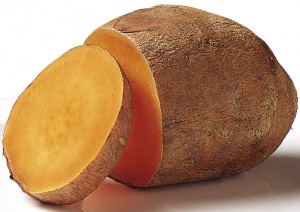
Sweet Potato Ranked First in Nutrition

By the time you read this, some of you will still be munching on Thanksgiving leftovers. But I wanted to take a quick look at one of the items on most people’s holiday plates: the sweet potato. Now, most of us are going to have it with all kinds of sweet treatments such as brown sugar, butter, or marshmallow, but if you can stand just adding a wee bit of butter or butter substitute, you are not only in for a treat, but a sweet nutritional surprise.

Maybe the most amazing thing about the sweet potato is how highly regarded it is by health professionals. In fact, the Center for Science in the Public Interest (CSPI) ranked the sweet potato the most nutritious vegetable of all. (more…)

Potato Primer: 4 Healthy Ways to Prep Potatoes

You know you can mash them with cream and butter. You’ve heard of au gratin – butter and cheese. But did you know that there are plenty of ways to prepare everyone’s favorite starchy vegetable without added fat and calories?

Despite their reputation as diet delinquents, potatoes can actually be a healthy side dish, especially in the winter when people tend to crave comfort and carbohydrates. Instead of letting them derail your healthy eating plans, learn how to prepare them so that they can be part of your healthy, balanced diet. (more…)

Why Marathon Runners Eat High Calorie and Sugary Snacks

Marathons and endurance races have become extremely popular in recent years. Most races are hosted by certain charities or other local or community organizations. These races push the body to the limit, with proper hydration and nourishment being vital to preventing the body from cramping or shutting down.

During these long races the body burns through nutrients rapidly and depletes every single energy store, making it crucial to replenish and provide the body with “quick burning carbohydrates,” such as any soft sugary candy (licorice or gummy bears), chocolate, beer, fruit drinks, or any other form of high-calorie foods (pretty much anything that you are normally supposed to avoid). Likewise, cold beer and pizza is often awaiting runners at the finish line as a refreshing and filling source of carbs. These foods provide the body with quick energy that fuels the body to help prevent cramping. (more…)

Ultra-Running and Race Day Nutrition

Nick Billock is an avid ultra-marathoner and trail runner who has run 25 marathons and 13 ultra-marathons including 3 100-mile finishes spanning 25hrs, 39min to 30hrs, 52mins.  He is also a blogger, covering running, his service in the Navy, and the day-to-day happenings in the life as a husband and father of two beautiful girls.  Nick resides in northeast Ohio and blogs regularly at www.rtrsbm.blogspot.com.

Ultra-running (as defined by any running race longer than the marathon of 26.2 miles) requires a whole different nutritional viewpoint when compared to the gels and quick shots of Gatorade normally encountered during a road race up to the marathon. Ultra-marathons most often take place on the trails of national and state parks with the 50K (31.2 miles) being the most popular race distance, then followed by the 50-miler and 100-miler. All these distances are covered with no rest or stopping, except for the occasional aid stations where runners refuel.

This is where nutrition and the endurance runner meet. From the 50K to the 100-miler, runners will find themselves on the trails for 5 to 30+ hours. This requires knowing what to eat, how often to eat it, and how that changes over the event. A rule and a mantra that many ultra-runners live by is: Eat, Eat, Eat; Drink, Drink, Drink; Pee, Pee, Pee. All must be true, especially the last; it’s a good indication that your body is still operating as it should. (more…)

Low Carb Diets May Cause Cancer?

People have been low carbing it for years to try to slim down. Following the Atkins diet and cutting out breads and pastas can help with weight loss, but a new study released in the Annuals of Internal Medicine shows that it is even more important to be careful with how you replace those calories.

The objective of the study was to examine the association of low carbohydrate diets with mortality during 26 years of follow-up in women and 20 years in men. The participants included more than 85,000 women under the age of 60 and 44,000 men from the ages of 40 to 75 years. The participants were free from heart disease, cancer, and diabetes. The study found that the death rate among people who adhered most closely to a low carb regimen was 12 percent higher over 20 years than with those who consumed diets higher in carbohydrates.

What was interesting was that the rate of death varied based upon the foods the dieter chose to replace the missing carbohydrates with.Those who ate more beans and nuts were 20 percent less likely to die than those who ate a high-carbohydrate diet. But, low carb dieters who ingested the majority of their protein and fat from animal sources, like red and processed meats, were 14 percent more likely to die of heart disease and 28 percent more likely to die of cancer. (more…)