
Tag Archives: cholesterol

Americans Not Eating Enough Fruits and Veggies

Eat your fruits and veggies. It’s the most stated fact of healthy living. Unfortunately, it’s falling on deaf ears.

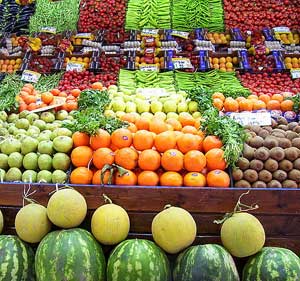
Fruits and vegetables are the backbone of a healthy diet. They are almost always low in fat and calories, and packed with vitamins, minerals, fiber, antioxidants, and so much more. And oh, there’s no cholesterol.produce stand

But, according to the 2026 State Indicator Report on Fruits and Vegetables, only 14 percent of American adults are eating the recommended daily servings of fruits and vegetables. The government study says that even less (10 percent) of high school students are getting enough fruits and vegetables.

The report is meant to shine a light on a campaign to get at least 75 percent of Americans to eat two or more daily servings of fruit, and for at least 50 percent to consume three or more daily servings of vegetables. (more…)

Eat More Colors to Cut Cancer Risk

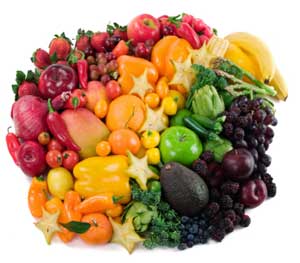
If you could do something to prevent cancer, would you do it? You might say “yes,” but unfortunately you might not actually do it. How’s this for an alarming fact?food rainbow

At least one-third of annual cancer deaths in the United States are related to dietary factors. Increased fruit and vegetable consumption can reduce cancer risk, but less than one-third of U.S. adults eat the recommended servings of fruit and vegetables every day, according to the Centers for Disease Control and Prevention.

Eating healthy, including fruits and vegetables loaded with phytochemicals (powerful antioxidants), and following a low fat diet helps people manage weight and prevent disease! Think about it, every day you have choices of what to eat. You have the power to keep yourself healthy from the inside out. (more…)

Top 5 Foods to Lower Cholesterol

woman making healthy lunchOur bodies naturally produce cholesterol. The amount is dependent on genetics. It’s not inherently bad. You need cholesterol for various bodily functions. However, too much cholesterol can be unhealthy. The American Heart Association established a range for your daily intake:

  • Less than 200 mg/dL is considered healthy.
  • 200 to 239 mg/dL is borderline high cholesterol.
  • 240 mg/dL and above is an unhealthy cholesterol level.

Many of our favorite foods contribute to high cholesterol. But there are some foods that can lower your cholesterol levels. Here are the top five as recommended by the Mayo Clinic: (more…)

Tomato Pill for Heart Health

kids eating tomatoesIn recent years, the health benefits of tomatoes grabbed some headlines. What got particular attention was lycopene, a bright red carotenoid pigment and phytochemical found in tomatoes and other red fruits and vegetables.

Lycopene has antioxidant properties. Research has shown that it helps combat cardiovascular disease, cancer, diabetes, osteoporosis, and even male infertility. If tomatoes aren’t your thing, you can get lycopene from carrots, watermelons, papaya… or in a tomato pill. (more…)

Consume More Potassium for a Healthy Heart

orange-juiceWhat is Potassium?
It’s an element and an electrolyte.  Your body needs potassium for proper growth and maintenance; it helps keep water balance between cells and body fluids, plays an essential role in response of nerves to stimulation and contraction of muscles.  Potassium is crucial in proper heart function, put simply it triggers your heart to beat and pump blood through your body.  Lower levels of potassium have been linked to increased or high blood pressure. Research has shown that individuals that consume adequate amounts of potassium have a lower risk of having a stroke. Also, there has been no clear link between potassium and lower cholesterol, but cholesterol–lowering diets that contain high amounts of potassium have been shown to be beneficial.  (more…)

Cheerios Makes Faulty Health Claims

Packaged foods can present misleading health claims, cleverly tip-toeing around the laws that govern them. But sometimes, the FDA will say enough is enough.cheerios

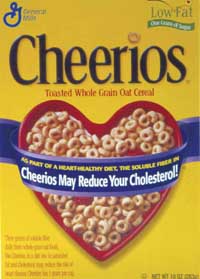
Cheerios, the long-time favorite breakfast cereal, is making a claim that the FDA just can’t let fall through the cracks. The agency sent a warning letter to General Mills, telling them that they can’t label Cheerios as a treatment for high cholesterol and heart disease.

The FDA points to language on the Cheerios label: (more…)

Understanding Obesity Related Diseases: High Cholesterol

As more of our population become obese and overweight, obesity diseases become much more prevalent. High Cholesterol is one such disease, and here I explain what it is, why it affects the overweight, symptoms and prevention.doctor

What is it?
Cholesterol is in every cell in your body and is important for proper functioning of your body (i.e. used to build healthy cells and some vital hormones).  With high cholesterol (hypercholesterolemia), fatty deposits may develop in your blood vessels, making it difficult for blood to properly flow through the arteries.  With this restricted flow your heart may not get the oxygen-rich blood that it needs, possibly causing a heart attack or stroke, if blood flow is restricted to your brain.

Why is it affected by obesity/overweight?
Obesity is mainly caused by taking in more calories than are expended through physical activity and daily life. Taking in too many calories, or too much saturated fat, trans fat and cholesterol will increase blood cholesterol levels.  High cholesterol is an obesity-associated disease due to the increased amount of fat, especially when that fat is found in the abdominal region (“apple”-shaped individuals).  Obesity raises blood LDL “bad” cholesterol and lowers HDL “good” cholesterol. (more…)

We Love Easter Eggs

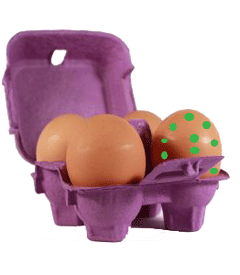
eggsThis week we love eggs. In celebration of Easter, we’re applauding the incredible-edible egg, which is as close as you can come to a perfect food despite suffering ridicule in years past for its potentially cholesterol-raising effects.

Whether you love to scramble them, whip them up into a quiche, sunny side them up or hard-boil them, the egg’s versatility and its stellar nutrition profile makes it a no-brainer why these cute, compact wonders are at the top of any nutrition expert’s healthy-eating list.

(more…)

High Triglyceride Levels Just as Dangerous as Cholesterol

Do you know what triglycerides are? While cholesterol gets all the attention, this fatty substance in the blood can be just as dangerous. If you don’t know what triglycerides, you may want to learn a little about them since a third of us may have high levels of the potentially dangerous substance.

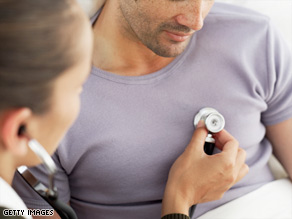
Photo from CNN

A man has a check-up with his doctor. (via CNN.com)

According to a Centers for Disease Control and Prevention report published in Archives of Internal Medicine, one-third of Americans have borderline or high triglyceride levels.

“I see it as a major problem that we’ve completely ignored this problem so far,” said Dr. Børge Nordestgaard of the University of Copenhagen in Denmark. (more…)

Neck Size May Predict Heart Disease

We’re usually told to gauge our heart attack risk by the size of our waistlines. The more belly fat, the higher the risk. Well, you may be “up to your neck” in heart problems. And both men and women need to take heed.belly fat

Your neck size may be a predictor of heart disease risk, according to two new studies on the subject. The researchers found that the bigger a person’s neck size, the greater their risk of having high levels of LDL “bad” cholesterol and blood fat, insulin resistance, and high blood sugar. Maybe the most interesting and telling aspect of their findings is that it held true even excluding belly fat. (more…)

5 Foods to Lower Your Cholesterol

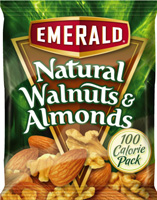
These Emerald Almond snack packs have only 100 calorie servings and no added salt.

These Emerald Almond snack packs have only 100 calorie servings and no added salt.

Dr. Oz’s Ultimate Health Checklist says knowing your cholesterol is one of your health’s need-to-know-numbers. Optimal cholesterol should be <100 for LDL (bad) and should be >40 for HDL (good). Here are five foods that will help you get those numbers down before your next check-up.

1. Instead of going nuts trying to lower your cholesterol, eat them! Studies show that nuts, specifically walnuts and almonds, help to reduce blood cholesterol. Walnuts and almonds have shown to lower cholesterol and help keep blood vessels healthy and elastic. It’s recommended to consume a cholesterol-lowering diet in which 20% of the calories you eat come from walnuts. (This has shown to lower cholesterol by as much as 12%)! Remember, nuts are high in calories, so portion control is important… eat a handful a day. (more…)