


Author Archives: Rebecca

About Rebecca

Registered Dietitian

How to Motivate Behavior Changes in Someone You Love

women hugFebruary is American Heart Month. It’s a time to bring awareness to heart disease and stroke, the number one killer in the United States, so you and people you love don’t become a statistic. I’ve been blogging about important topics like lowering your cholesterol, reducing heart disease risk and identifying heart healthy foods all month, and I want to continue the conversation with you by discussing how you can influence change in those you love.

My mom has heart disease and I’ve spent countless hours helping her with nutrition and exercise. So I’m coming at this post as a daughter with experience in trying to get a loved one to change more so than rattling off “book smarts.”

First, let me just say one important thing: it doesn’t matter how much you want someone to change, they have to want it too. Make no mistake. Change is not easy for many people. But I’m concerned that too many well-intentioned people are struggling and frustrated that their loved one doesn’t seem to be able to change. Above all else, they have to want it and secondly, they need support… and that’s where you can come in and can be successful.

So, if you aren’t sure if your loved one wants to change, you need to start there. Here are some tips to help you out. (more…)

Fuel for Olympic Champions: Nutrition and Meal Planning for Team USA

The closest I ever got to the Olympics was the USOC training center in Colorado Springs where I received sports nutrition training. As I write this, The USOC dietitians are in Vancouver with Team USA making sure they are well hydrated and fueled while they go for gold.vancouver olympics

But what exactly do Olympic athletes need to eat? You probably heard the stories of Michael Phelps chowing down on 10-15,000 calories a day! It sounds like a dream come true. Believe it or not, many of the winter sports require smaller body sizes to excel. It’s no wonder there is concern for eating disorders to develop among athletes.

For example, the ski jumper must be tall and thin so their goal is to have a low BMI – 5′ 11″ and 140 pound male (model thin). Suzie Parker Simmons, a sports dietitian at USOC, says that ski jumping is problematic because the sport requires strength, power and low weight. “Because it’s a power sport, endless hours of fat-burning running [to reduce weight] is counterproductive athletically—explosive power for ski jump demands fast-twitch muscle fibers, not the slow-twitch fibers developed by endurance sports. That means caloric restriction, not extra exercise, is the primary means of keeping body weight low.” (more…)

Three Steps to Lowering Your Cholesterol

February is American Heart Month. It’s a time to bring awareness to heart disease and stroke, the number one killer in the United States, so you and people you love don’t become a statistic.

heart appleBe honest. Do you know your numbers? Your cholesterol numbers. You should have your cholesterol measured once a year after age 30, especially if you have a family history of high cholesterol or heart problems. High cholesterol can double the risk for heart disease. It’s entirely possible that your body will produce too much cholesterol, even if you take steps to lower it. However, many people are successful at lowering their cholesterol with some simple changes.

There are three ways you can make your cholesterol levels better. (more…)

A Healthy Valentine’s Day Dinner for Your Sweetie

valentines dinnerIn case you haven’t heard, money is tight these days and most restaurant meals are too big and have “too much” (calories, fat, salt… you get the idea) for people who are trying to lose weight. I think one of the most romantic and thoughtful things you can do for a significant other, friend, or Valentine’s singles is to cook for them.

Here are my picks for healthy menu items you can try. Add to the mood with candles, grocery store roses (call and ask for petals for cheap), and a Valentine’s-themed menu you make on your computer to place in front of the seats. I hope your Valentine’s Day is filled with love, hugs, and great food! (more…)

Indulge in Chocolate the Healthy Way

With Valentine’s Day fast approaching, women everywhere are wondering their significant others will get them. My husband has never given me chocolate for Valentine’s Day. (I guess I’m just sweet enough already.) But don’t worry, I am sure to get my fair share of chocolate year-round.

For people trying to lose weight, thinking about sweets and Valentine’s Day can be a source of stress. The mere thought about “self control” around the tempting boxed hearts can seem to take the all the fun out of Valentine’s Day.

Watch this video to learn about why avoiding chocolate can be more harmful than indulging and get three simple tips for enjoying chocolate without feeling guilty!

How do you fit sweets into your eating plan?

Serving Sizes, Packaged Food Nutrition Labels May Get a Makeover per the FDA

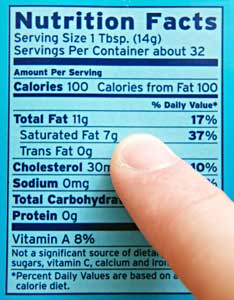
nutrition labelIf you have ever read a nutrition facts label, you have probably seen the “serving size” listed right at the top. But do you know where that number comes from? (Hint, not an independent third party.) It’s actually the manufacturers themselves. Buy a big packaged muffin in the store and chances are the serving size is half a muffin. Check the cookies. The serving size is probably one or two. It’s not just junky foods either. I checked my package of alfalfa sprouts. One serving is supposedly 2/3 of the entire package. Now, I love my sprouts, but I’m lucky to get a small handful on a sandwich or salad.

So why is this an issue? Well, if you haven’t heard there’s an obesity epidemic going on in the United States. We don’t get enough exercise. We don’t eat enough fruits and vegetables. We sit too much. We eat too much food we don’t bother to make ourselves. We eat a lot of stuff out of boxes and packages. Probably most important, many Americans don’t really know how to nourish ourselves and balance out our eating.

Weight management is multifaceted. But when it comes to the purpose of nutrition facts labels, it’s all about educating the consumer about how much food, calories, and nutrients are in a realistic serving. So recently, the FDA has said they need to look at what they can do to help people manage how much they eat and make sure they aren’t confused by the information provided. (more…)

Eight Heart Disease Risks You Can Control

Did you know there are eight things you can do to prevent heart disease? Even better, they all support each other. You do one, and it helps you in doing another one. Check out the top eight behaviors that help prevent heart disease below.heart health

1. Eat a healthy diet. Choosing healthful meal and snack options can help you avoid heart disease and its complications. Be sure to eat plenty of fresh fruits and vegetables. Eating foods low in saturated fat and cholesterol and high in fiber can help prevent high blood cholesterol. Limiting salt or sodium in your diet can also lower your blood pressure.

2. Manage a healthy weight. Being overweight or obese can increase your risk for heart disease. To determine whether your weight is in a healthy range, doctors often calculate your body mass index (BMI). Calculate yours here with our free BMI calculator. (more…)

Lose Weight, Gain a Healthy Heart

February is American Heart Month. It’s a time to bring awareness to heart disease and stroke, the number one killer in the United States, so you and the people you love don’t become a statistic. This month is particularly personal for me, as my mom has heart disease. She had quadruple bypass surgery one year ago this month. If you know someone who would benefit from this information on preventing heart disease, please share it. I’m posting five articles on simple things everyone can do to keep their heart healthy and strong.man heart

Lose Weight, Gain a Healthy Heart

You might wonder why weight loss is important in preventing heart disease.  Controlling your weight helps you control heart disease risk factors: blood pressure, high cholesterol, and diabetes. Even if you don’t have these heart disease risk factors now, you could develop them at any time. (more…)

Five Foods That Will Save Your Heart

cherriesFebruary is American Heart Month. It’s a time to bring awareness to heart disease and stroke, the number one killer in the United States, so you and the people you love don’t become a statistic. This month is particularly personal for me, as my mom has heart disease. She had quadruple bypass surgery one year ago this month. If you know someone who would benefit from this information on preventing heart disease, please share it.

Five Foods That Will Save Your Heart

One way to prevent heart disease is to eat healthy. In this post, I’ll highlight five different foods that can save your heart – literally. These are not the only five foods that protect your heart, but they stand out as star performers in my book.

1. Garlic: Known as “the stinking rose,” this herb does not stink when it comes to heart health. Numerous studies have demonstrated potential benefits of regular garlic consumption on blood pressure, platelet aggregation, serum triglyceride level, and cholesterol levels – all of which keep your ticker ticking. The other thing I like about garlic is that it can be used to season food so you can cut back (way back) on the salt. (more…)

Cut Out Carb Confusion

berriesDid I trick you with the title? We’ve gotten so used to seeing “cut out carbs” in the last decade, you might think this post is about low-carb eating. Quite the contrary. People are often misled about carbohydrates and as a result don’t know where to place them in their eating plan, especially if they are dieting. If that sounds like you, read on because just in case you don’t know, carbs are necessary for health.

1. You need carbs. Our brains thrive on simple carbohydrates – glucose to be specific. That’s why the body breaks down carbs into glucose – so the brain can eat. So why in the world would you cut out carbs? Don’t do it. The problem people run into is that quality counts and they don’t always focus on quality when it comes to carb intake. I’ll cover that later on in this article.

2. Estimate your good carb range. The brain alone needs about 135 grams of carbohydrates a day, which you can easily get through healthy carbohydrate foods (more on that later). You then need carbs to help support your daily activities. The more active you are engaged in, the more carbs you need. Roughly, everyone fits into a 40-65% of calories range, with the exception of endurance athletes in a carbo load phase. If you’re trying to lose weight, calculate about 45%-50% carbs and go in that range. (more…)

Hot Nutrition Books in 2026 – Part Two

We all could use a little health help and a great way to get advice you can trust is by turning the pages of a great nutrition book. But how do you separate the great stuff from the absolute fluff? You read this post, of course. These books will help provide relief from celiac’s disease, keep you trim, and tell you how to eat well while pregnant — among other things. This list is in addition to my first list of hot nutrition books.


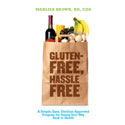
gluten free hassle freeGluten-Free, Hassle Free: A Simple, Sane, Dietitian-Approved Program for Eating Your Way Back To Health is a book that focuses on a no-nonsense approach to the gluten-free diet.

Why I like it: Because one book on celiac’s disease and wheat allergy is not enough, you’ll also want this useful book on your desk.


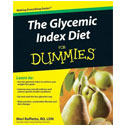
glycemic index diet for dummiesThe Glycemic Index Diet for Dummies is part of the For Dummies health and fitness series that offers information, suggestions and recipes for this low-starch eating plan.

Why I like it: Not being a huge fan of diets in general, I can still appreciate this book as a good source of information about the effects of carbohydrate-containing foods on blood sugar levels. (more…)